(see c50024a & c50024b for more info)
Set up for the practice
Think enjoyment minimises boredom and encourages repetition (repetition -> development)
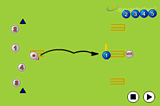
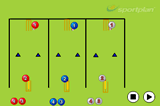
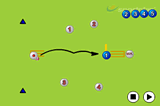
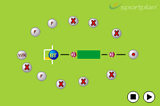
1. Set up practice as shown in diagram.
2. Markers on the floor for fielders to stand on, should be 3 metres from the batsman. Be strict on this point - safety.
3. Mark out the target area for feeder to aim at for the back foot defence.
4. Ideal number for each group is 4-5 players -maximun activity
5. Feeder kneels 7-10 paces from the batsman.
6. Feeder says \"Bat Up!\", then feeds a dart feed, standing up, throwing from head height downwards. The ball should be aimned to bounce once and between the batsman's waist and chest height.
7. Each group has 3 balls.
8. Ideal duration of practice: 20-30 mins.

A bowling change can dismantle a partnership, halt a run surge, or hand the match back to the batting side. This article explores how modern captains use match phases, matchup data, and rhythm signals to time their changes, with a practical framework coaches can use to develop tactical thinking in young captains at club and age-group level.

T20 data shows that teams bowling 40 or more dot balls win more than 65 per cent of matches. Strike rotation is now the most undervalued skill in batting. This article breaks down why singles matter more than sixes, the soft-hands and crease-depth techniques behind elite rotators, and a coaching framework to train relentless ones and twos under pressure.

Pre-season is the best time to rebuild and refine batting technique without the pressure of match results. This article covers the fundamental batting positions that underpin consistent run-scoring, provides a progressive session framework from shadow batting to live bowling, and highlights the common pre-season mistakes that coaches should avoid.


Register for FREE and get coaching tips, top drills, session and more every week!