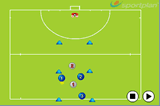
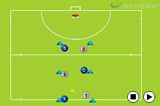
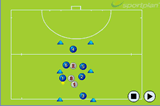
Set out 2 grids that are attached by a common line with 3 attackers and 1 defender in each.
3 Players, with one ball, in one grid keep possession of the ball and try to pass the ball to the other three players in the other grid.
Once they have done this the other three players must also try to keep possession in order to once again pass the ball back into the other grid.
To keep possession the players should pass the ball quickly.
Switching areas as often as possible to make the floating defender run as much as possible.
Count how many times the ball moves from one grid to the other.
The 2 defenders can only defend inside their allocated grid.
Swap the defenders after the defenders gain possession the 3rd time.
The last team of three to lose the ball becomes the next defending team.

in more ways than one
 sportplan_netball



in more ways than one
sportplan_hockey

Video analysis is no longer a luxury reserved for international squads. With a phone, a tripod and a free editing tool, any club coach can build a weekly review habit that transforms how their team learns.

With mandatory masks now in place, the defensive corner has changed. Outrunners are committing harder, postmen are positioning differently, and the goalkeeper has new sightlines. Here's how to rebuild your PC defence for 2026.

The Pro League's most dangerous teams now win the ball back within five seconds of losing it. Here's how to teach counter-pressing at any level, with triggers, drills and a session plan.